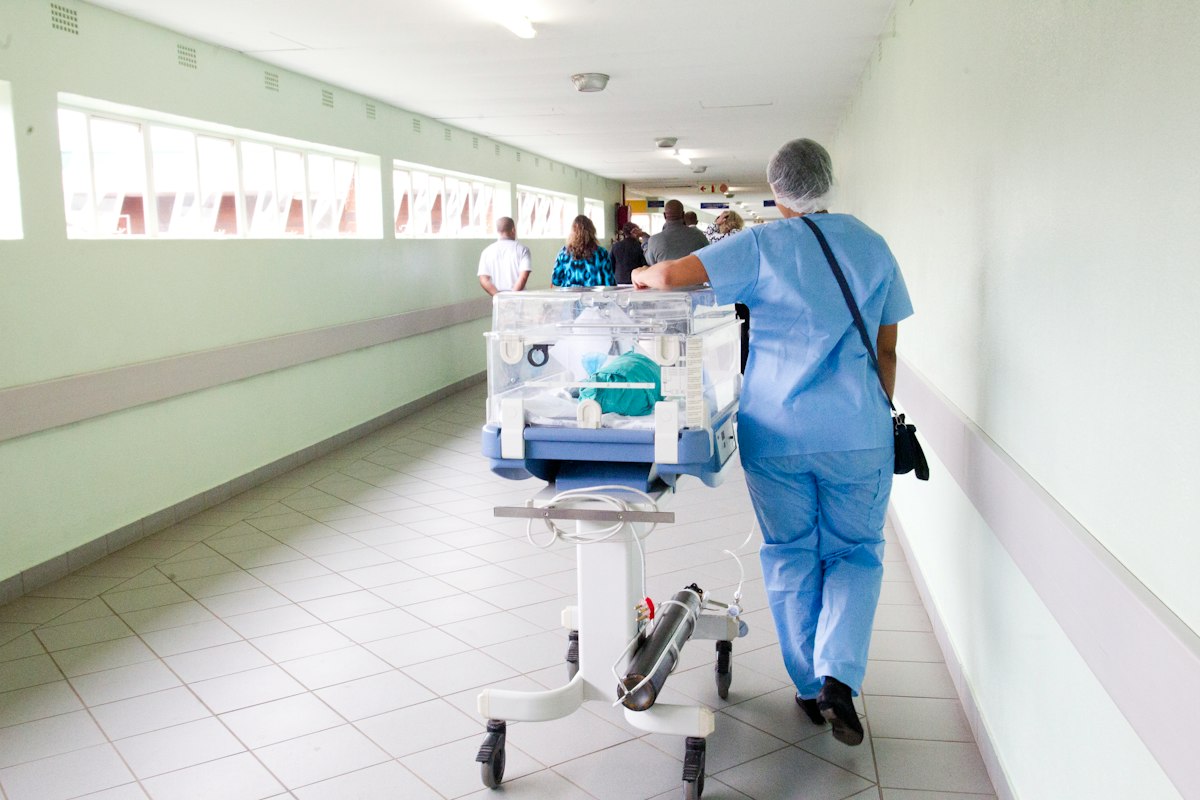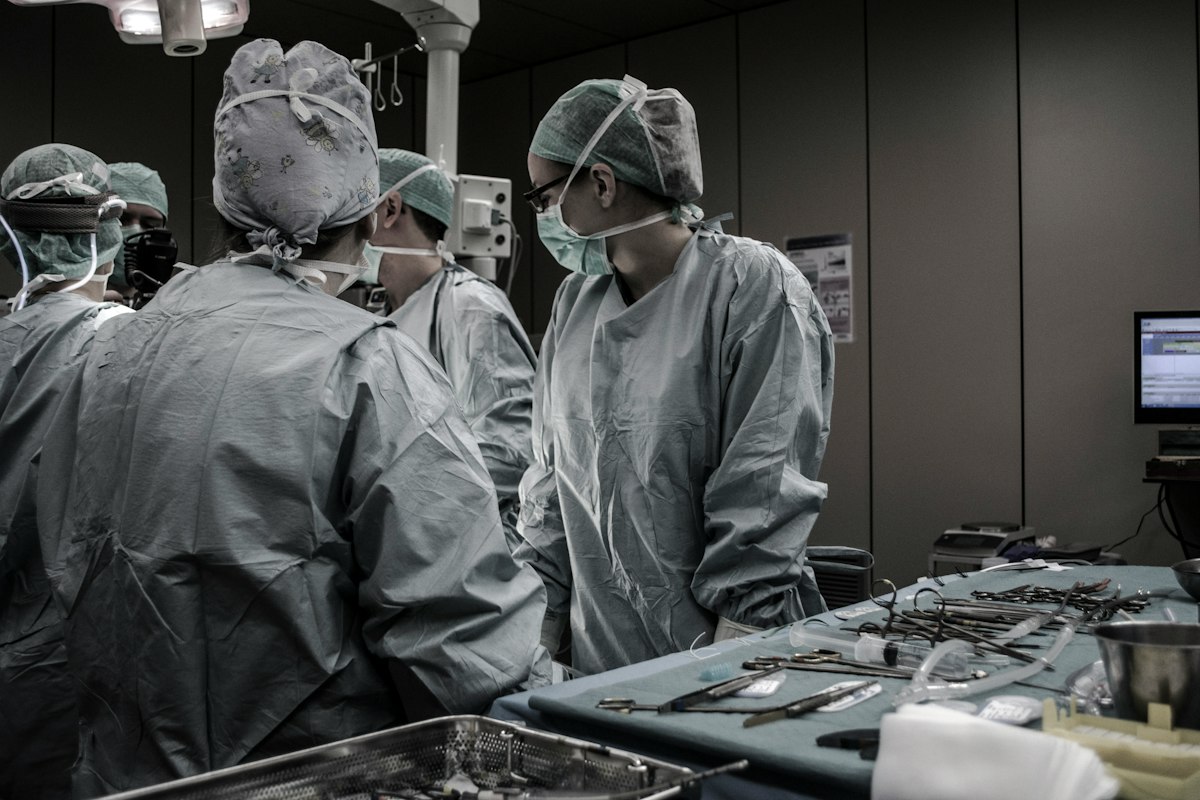
As healthcare delivery models rapidly shift from protracted inpatient admissions to agile, value-driven clinical pathways, establishing an optimized Daycare Surgery Unit (DSU) has become one of the most lucrative and operationally efficient strategies for private hospitals in India. With advancements in minimally invasive laparoscopic surgery, short-acting anaesthetic agents, and modern surgical protocols, over 65% of elective surgical procedures can now be safely completed within a 4 to 8-hour admission window. For hospital administrators and CFOs, a dedicated DSU drastically multiplies bed turnover, eliminates overnight nursing overheads, enhances patient satisfaction, and captures profitable cashless TPA package reimbursements without straining inpatient ward capacity.
Executive Summary: Core Daycare Surgical Unit (DSU) Business Dynamics
- Bed Turnover Multiplier: A single DSU bed turns over 2.5 to 3.2 patients per day, generating >₹45,000 in gross surgical revenue per bed-day compared to ₹12,000–₹18,000 for standard multi-day inpatient beds.
- High-Yield Clinical Specialties: Ophthalmology (Phaco/MICS), Laparoscopy (Cholecystectomy, Hernia, Appendectomy), Urology (URSL, PCNL, DJ Stenting), ENT (FESS, Tympanoplasty), and Daycare Oncology/Chemotherapy.
- IRDAI 24-Hour Waiver Compliance: Standard Indian health insurance policies waive the traditional 24-hour hospitalization rule for listed daycare procedures, ensuring 100% cashless pre-auth approval when properly documented.
- Discharge Readiness Scoring: Objective post-anesthesia scoring systems (PADSS ≥9 / Modified Aldrete) guarantee clinical safety before same-day patient discharge.
- Digital Workflow Acceleration: End-to-end automation via Hospital Management Software unifies fast-track pre-admission clinic (PAC) clearance, fixed package billing, and 1-click digital discharge summaries.
1. The Financial Engine: Inpatient Bed vs. Daycare Unit Economics
Traditional multi-day inpatient admissions involve heavy nursing overhead, continuous housekeeping, meal services, and higher risk of hospital-acquired infections (HAIs). A dedicated Daycare Surgery Unit reorganizes clinical real estate to maximize financial velocity:
| Performance Metric | Conventional Multi-Day IPD Ward | Dedicated Daycare Surgery Unit (DSU) | Financial & Operational Impact |
|---|---|---|---|
| Average Length of Stay (ALOS) | 48 to 72 hours (2–3 days) | 4 to 8 hours (Same Day) | Frees up 85% of bed-hours for acute emergency cases. |
| Daily Bed Turnover Ratio | 0.33 to 0.50 patients/bed/day | 2.5 to 3.2 patients/bed/day | 6x higher patient throughput per physical bed. |
| Nursing Staff Requirement | 1:5 ratio across 3 continuous shifts (24/7) | 1:4 ratio during single 12-hr operational shift | Reduces nursing wage overhead per surgical episode by 45%. |
| Gross Margin per Surgical Case | 22% to 28% (diluted by hoteling costs) | 42% to 54% (lean overhead) | Substantial increase in net operating margin (EBITDA). |
| Hospital-Acquired Infection Rate | 1.8% to 3.2% per 1,000 bed-days | <0.2% per 1,000 cases | Near-zero HAI risk improves clinical quality ratings. |
2. High-Yield Daycare Surgical Specialties & Clinical Eligibility
Not every patient or surgical procedure qualifies for same-day discharge. Strict clinical triage ensures that only appropriate surgical cases enter the fast-track DSU stream:
Prime Daycare Surgical Procedures
- • Ophthalmology: Phacoemulsification with premium IOL implantation, pterygium excision, vitrectomy.
- • General & Laparoscopic Surgery: Lap cholecystectomy, inguinal hernia repair (TEP/TAPP), hemorrhoidectomy/stapler, fistula-in-ano laser ablation.
- • Urology: Diagnostic cystoscopy, URSL with laser lithotripsy, DJ stent removal, circumcision.
- • Gynecology: Diagnostic hysteroscopy, D&C, endometrial ablation, laparoscopic tubal ligation.
- • Orthopedics: Diagnostic knee arthroscopy, meniscectomy, implant removal, closed reduction with K-wire.
Patient Selection Criteria (Strict Gatekeeping)
- • Anesthesia Fitness: ASA Grade I and Grade II only (stable systemic disease without functional limitation).
- • BMI Limits: Body Mass Index <35 kg/m² with no diagnosed severe obstructive sleep apnea (OSA).
- • Social Support: Mandatory requirement of a responsible adult caregiver to accompany the patient home.
- • Geographic Proximity: Patient residence within 60 minutes driving distance from the hospital or emergency center.
3. IRDAI Cashless Daycare Rules & TPA Package Structuring
One of the primary historical barriers to daycare surgery in India was health insurance rejection under the "24-hour mandatory hospitalization clause." However, the Insurance Regulatory and Development Authority of India (IRDAI) standardized the cashless daycare guidelines:
- Specified Daycare Procedure List: IRDAI master guidelines include over 540 standardized modern daycare procedures that are 100% eligible for cashless insurance regardless of admission duration.
- All-Inclusive Package Tariffs: TPAs and insurers prefer pre-agreed bundled tariffs (encompassing surgeon fees, anesthesia, OT charges, pre-op investigations, routine consumables, and medications up to discharge).
- Elimination of Co-Payment Penalties: Insurers do not levy room-rent proportionate deductions if the patient is admitted to a dedicated daycare bed or short-stay lounge rather than an upscale single room.
- Pre-Authorization Fast-Tracking: Submitting daycare pre-auth requests 48 hours in advance with standardized diagnostic ICD-10 and procedure PCS codes ensures initial sanction prior to patient arrival.
4. Clinical Safety & Post-Anesthetic Discharge Scoring (PADSS)
To prevent premature discharge and unpredicted readmissions, nursing and anesthesia teams must objectively score patient readiness using the Post-Anesthetic Discharge Scoring System (PADSS):
| PADSS Evaluation Parameter | Clinical Scoring Criteria (0–2 Points) | Mandatory Discharge Threshold |
|---|---|---|
| Vital Signs Stability | 2 = Within 20% of pre-op baseline; 1 = 20–40% of baseline; 0 = >40% deviation | Score of 2 Required |
| Activity & Ambulation | 2 = Steady gait / no dizziness; 1 = Requires assistance; 0 = Unable to stand | Score of 2 Required |
| Nausea and Vomiting | 2 = Minimal / managed with oral antiemetics; 1 = Moderate; 0 = Severe / persistent | Score of 2 Required |
| Pain Management | 2 = Acceptable to patient / oral analgesics; 1 = Moderate; 0 = Severe / uncontrolled | Score of 2 Required |
| Surgical Site Bleeding | 2 = Minimal / dry dressing; 1 = Moderate / reinforced; 0 = Severe / active soak | Score of 2 Required |
| Total Composite PADSS Score | Total Available Points = 10 Points | ≥9 Points Required for Discharge |
5. Streamlining DSU Operations with Automated HMS Workflows
Achieving rapid 4 to 8-hour patient turnaround is impossible when relying on disconnected manual paperwork. A specialized digital hospital platform connects every operational touchpoint:
- Digital Pre-Admission Clinic (PAC) Records: Anesthesiologist fitness certificates, ECG, and blood investigation reports are linked directly to the OT booking module days before surgery.
- Automated Daycare Package Billing: One-click package billing automatically consumes OT consumables, implants, and pharmacy items without manual line-item entry delays.
- Real-Time Bed State Display: A live visual Kanban board displays DSU bed occupancy (Admitted → In OT → Recovery → Billed → Discharged) to prevent admission bottlenecks.
- Instant WhatsApp Post-Op Care Sheets: Discharge summaries, digital prescription links, wound care guides, and 24-hour emergency helpline numbers are dispatched instantly to the patient's smartphone.
Maximize Surgical Velocity with OmniWorks HMS
Empower your surgical teams with automated daycare package billing, real-time OT turnover scheduling, digital PAC clearances, and instantaneous TPA claim generation.
Frequently Asked Questions (FAQs)
1. What is the legal definition of Daycare Surgery under Indian health insurance regulations?
Under IRDAI guidelines, Daycare Treatment refers to medical or surgical procedures undertaken under general or local anesthesia in a hospital or daycare center in less than 24 hours because of technological advancements, which would have otherwise required hospitalization of 24 hours or more. Outpatient (OPD) consultations and diagnostic check-ups do not qualify as daycare surgery.
2. Can Laparoscopic Cholecystectomy (gallbladder removal) be safely performed as a Daycare procedure?
Yes. In clinically eligible patients (ASA Grade I or II, absence of acute cholecystitis or common bile duct stones, BMI <35), laparoscopic cholecystectomy performed in morning surgical slots allows patients to mobilize, tolerate oral liquids, and achieve a PADSS score ≥9 for safe same-day evening discharge within 6 to 8 hours.
3. How does establishing a Daycare Unit improve hospital OT turnover times?
A dedicated DSU separates minor and intermediate elective surgeries from major emergency or multi-hour complex operations. Standardized instrument trays, pre-assessed patients, short-acting anesthetics (propofol, sevoflurane, laryngeal mask airways), and parallel nursing preparation reduce surgical turnover times between cases from 45 minutes to under 15 minutes.
4. What happens if a Daycare patient develops complications and cannot be discharged on the same day?
Every accredited DSU must maintain a formal Clinical Escalation & Conversion Protocol. If a patient experiences persistent nausea, uncontrolled pain, bleeding, or anesthetic delay preventing PADSS ≥9 clearance, the HMS converts the daycare encounter into an inpatient admission (IPD) seamlessly, notifying the TPA/insurer to update the pre-authorization enhancement without billing disruption.
5. Is a full 24-hour nursing shift required for a dedicated Daycare Surgery Unit?
No. One of the primary financial advantages of a standalone DSU is operational scheduling: units typically operate from 7:00 AM to 7:00 PM (12 hours) on a single or staggered 1.5-shift model. This completely eliminates expensive night-shift nursing differentials, overnight housekeeping, and after-hours ward support costs.
Vamshi Rajarikam
OmniWorks India Team
Last updated: