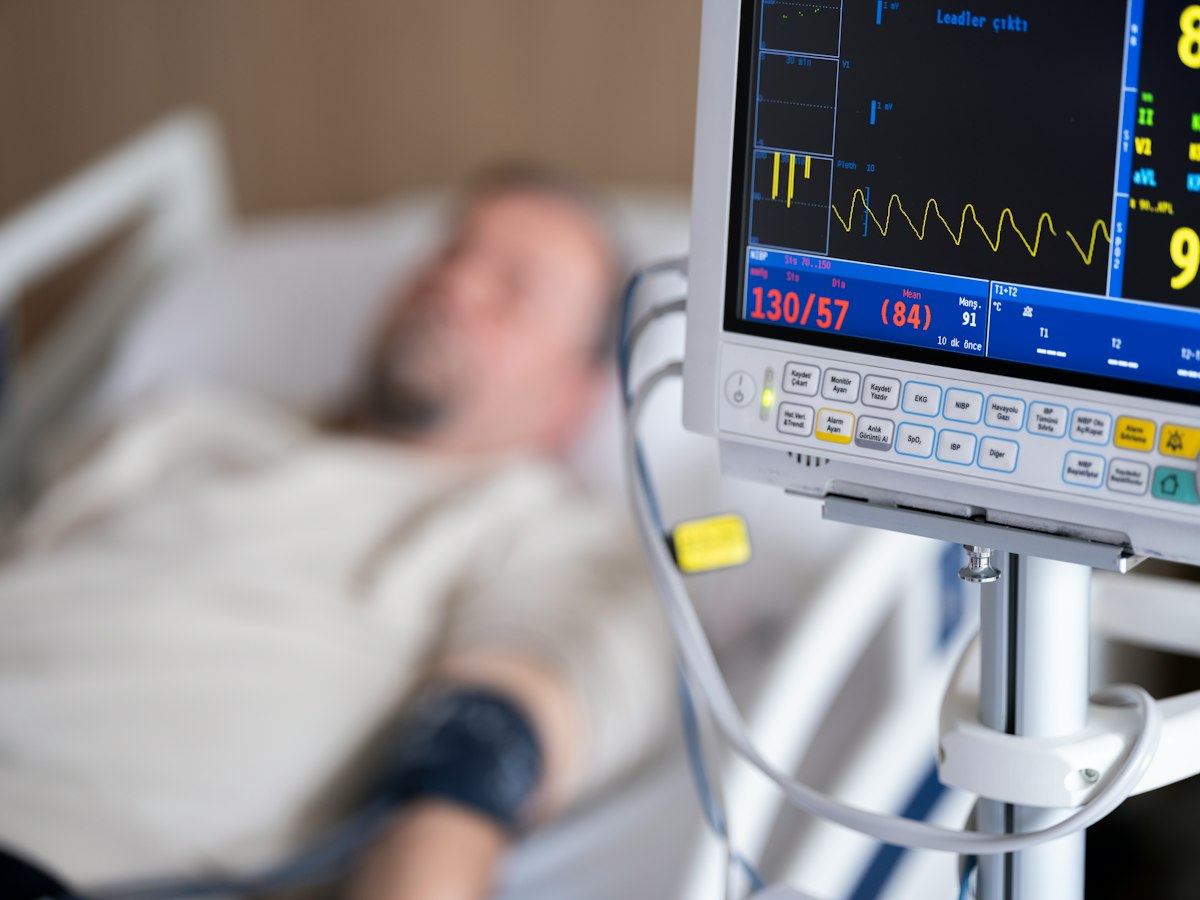
Inpatient cardiac arrests and emergency ICU admissions are rarely sudden, unpredictable events. Clinical studies consistently demonstrate that over 80% of hospital inpatients exhibit detectable, abnormal physiological signs up to 6 to 24 hours prior to acute clinical deterioration or cardiopulmonary collapse. In many Indian hospitals, these early warnings go unrecognized or unaddressed due to high nurse-patient ratios, variable clinical experience, and fragmented paper vitals charting. Under NABH 5th & 6th Edition Care of Patients (COP) and Continuous Quality Improvement (CQI) standards, healthcare establishments must deploy structured Rapid Response Teams (RRT), institutionalize standardized physiological scoring systems like the National Early Warning Score (NEWS2), and automate deterioration alerts to save patient lives before a Code Blue occurs.
Executive Summary: Hospital RRT & Early Warning System Compliance
- Code Blue vs. Rapid Response: While Code Blue responds to patients who have already suffered cardiac or respiratory arrest, a Rapid Response Team (RRT or MET) intervenes hours earlier during subtle physiological decompensation to avert cardiac arrest altogether.
- Standardized Scoring (NEWS2): Implementing the National Early Warning Score (NEWS2) tracks six core physiological parameters: respiratory rate, oxygen saturation, systolic blood pressure, pulse rate, level of consciousness (ACVPU scale), and temperature.
- Graded Escalation Protocols: Physiological scores translate into defined escalation tiers: low-risk (scores 1–4: increased nursing surveillance), medium-risk (scores 5–6 or single extreme score of 3: urgent medical review within 30 minutes), and high-risk (score ≥7: immediate emergency RRT bedside deployment).
- Empowering Frontline Nursing: NABH guidelines require that ward nurses possess autonomous statutory authority to trigger an RRT activation without seeking prior permission from attending consultants if trigger criteria are met.
- Digital Vitals & Automated Deterioration Alerts: Integrating automated NEWS2 calculation and smart trigger algorithms inside a modern Hospital Management Software eliminates manual calculation errors and alerts the ICU team instantaneously via mobile push notifications.
1. The Clinical Imperative: Preventing Inpatient Resuscitation Failures
In-hospital cardiac arrests (IHCA) have historically low survival rates, with fewer than 15% to 20% of patients surviving to hospital discharge. In contrast, when hospital clinical teams intervene during the preceding phase of physiological instability—characterized by tachypnea, falling oxygen saturation, unexplained tachycardia, or fluctuating consciousness—the requirement for emergency intubation, unplanned ICU transfer, and mortality declines dramatically.
For NABH quality evaluators, the ratio of Rapid Response Team calls to Code Blue activations is a critical clinical excellence barometer. High-performing accredited hospitals typically record 3 to 5 times more RRT interventions than Code Blue calls, indicating proactive early rescue rather than reactive resuscitation.
2. The NEWS2 Scoring Matrix & Physiological Parameters
To replace subjective clinical hunches with objective physiological surveillance, leading hospitals adopt the standardized NEWS2 scoring rubric. Each vital sign measurement is assigned a score from 0 to 3 based on deviation from normal physiological ranges:
| Physiological Parameter | Score 3 | Score 2 | Score 1 | Score 0 | Score 1 | Score 2 | Score 3 |
|---|---|---|---|---|---|---|---|
| Respiration Rate (bpm) | ≤8 | — | 9–11 | 12–20 | — | 21–24 | ≥25 |
| SpO2 Scale 1 (%) | ≤91 | 92–93 | 94–95 | ≥96 | — | — | — |
| Supplemental Oxygen | — | Yes | — | Air | — | — | — |
| Systolic BP (mmHg) | ≤90 | 91–100 | 101–110 | 111–219 | — | — | ≥220 |
| Pulse Rate (bpm) | ≤40 | — | 41–50 | 51–90 | 91–110 | 111–130 | ≥131 |
| Consciousness (ACVPU) | — | — | — | Alert (A) | — | — | C / V / P / U |
| Temperature (°C) | ≤35.0 | — | 35.1–36.0 | 36.1–38.0 | 38.1–39.0 | ≥39.1 | — |
3. Rapid Response Team Composition & Escalation Pathways
An effective Rapid Response Team operates 24/7 with dedicated multidisciplinary roles. In medium-to-large hospitals, the team consists of:
- Intensive Care Resident / Registrar: Team leader skilled in airway management, central line placement, and immediate acute stabilization.
- Senior ICU / Emergency Nurse: Administers emergency medications, manages infusion pumps, and ensures seamless bedside communication.
- Respiratory Therapist / Biomedical Technician: Optimizes oxygenation, non-invasive ventilation (NIV), and portable suction equipment.
Clinical Escalation Thresholds
- Aggregate Score 1–4 (Low Risk): Ward nurse continues regular observations; frequency of vitals monitoring increases to a minimum of every 4 to 6 hours.
- Score of 3 in Any Single Parameter OR Aggregate Score 5–6 (Medium Risk): Ward nurse must immediately alert the ward duty doctor. Urgent medical evaluation must take place at bedside within 30 minutes.
- Aggregate Score ≥7 (High Risk): Automatic RRT activation. Team must arrive at bedside within 5 to 10 minutes equipped with resuscitation kit and portable arterial blood gas capability.
4. Implementation Blueprint: 5 Steps to an Accredited RRT Program
Transitioning from reactive resuscitation to systematic early clinical response requires five structured operational phases:
- Step 1: Institutionalize RRT Policy & Non-Punitive Activation Culture: Hospital leadership must endorse a policy guaranteeing that any nurse or junior doctor who calls an RRT will never be criticized or reprimanded for a "false alarm." If a nurse feels a patient "just doesn't look right," that gut clinical concern alone justifies an RRT call.
- Step 2: Standardize Bedside Digital Vitals Capture: Replace manual scribbled paper vitals charts with structured electronic charting. When nurses record vitals, the software immediately calculates the composite NEWS2 score in real time.
- Step 3: Establish a Dedicated Single-Number RRT Hotline: Create a dedicated, memorable internal emergency extension (e.g., dial 3333) or a dedicated panic button that sounds simultaneously in the ICU control room and on the RRT team’s communication handsets.
- Step 4: Execute Structured SBAR Handover at Bedside: When the RRT arrives, the primary bedside nurse delivers a 60-second standardized SBAR handover: Situation, Background, Assessment, and Recommendation, ensuring instant shared mental models.
- Step 5: Close the Loop with Continuous Quality Improvement via HMS: Leverage a comprehensive Hospital Management Software that tracks every RRT call, response latency, initial vs. post-intervention vitals, and final patient disposition (stabilized in ward vs. transferred to ICU). This provides definitive objective evidence for NABH COP audits and peer clinical review.
5. Measuring Clinical Quality: RRT Key Performance Indicators
Hospitals demonstrating clinical governance excellence track four fundamental metrics during monthly medical audit meetings:
- Unplanned ICU Admissions from General Wards: Should steadily decrease as subtle decompensation is treated early in the ward.
- General Ward Code Blue Rates: Code Blue calls outside the ICU should decline significantly as acute deterioration is intercepted by the RRT.
- RRT Response Latency: Percentage of RRT dispatches where the critical care team reaches the bedside in <10 minutes; target >95%.
- Survival to Discharge Post-RRT Intervention: Tracking the overall 30-day survival of inpatients who received rapid response interventions.
Frequently Asked Questions (FAQs)
1. What is the fundamental difference between an RRT and a Code Blue team?
A Code Blue team is summoned when a patient has already experienced a catastrophic arrest (no pulse, no breathing, or sudden collapse). Its goal is cardiopulmonary resuscitation (CPR) and restoration of spontaneous circulation (ROSC). A Rapid Response Team (RRT) is summoned earlier when the patient is still conscious and breathing but demonstrating physiological warning signs (e.g., severe tachypnea, falling blood pressure, or altered mental status). Its goal is proactive stabilization to avert arrest and prevent preventable death.
2. Can a ward nurse trigger the RRT without waiting for the treating consultant's approval?
Yes, absolutely. Under NABH standards and international patient safety protocols, frontline nurses have full statutory authority to call the RRT immediately whenever trigger criteria are reached. Waiting for an off-site consultant to answer phone calls delays life-saving critical care interventions.
3. Why is respiratory rate the most sensitive predictor of inpatient deterioration?
Tachypnea (rapid breathing) is the body's earliest compensatory mechanism for metabolic acidosis, hypoxemia, early sepsis, and pulmonary congestion. While blood pressure often remains normal until late stages due to vascular compensation, respiratory rate typically rises hours before catastrophic collapse, making it the single most critical early warning vital sign.
4. How does the ACVPU scale differ from the Glasgow Coma Scale (GCS) in routine wards?
While the Glasgow Coma Scale (GCS) is comprehensive, calculating it accurately during routine 4-hour vitals checks is time-consuming. The ACVPU scale provides rapid, reproducible neurological assessment: Alert (A), new Confusion (C), responsive to Voice (V), responsive to Pain (P), or Unresponsive (U). Any change from Alert is an immediate red flag.
5. How does modern Hospital Management Software empower RRT workflows?
An enterprise Hospital Management Software automatically computes the NEWS2 aggregate score as soon as nurses enter routine vitals. If a score exceeds the danger threshold, the system triggers instant visual red banners across ward monitors and dispatches automated SMS or push notifications directly to the on-duty ICU registrar, slashing clinical response latency to minutes.
Vamshi Rajarikam
OmniWorks India Team
Last updated: