Across India, access to super-specialized critical care is plagued by severe geographic asymmetry. While tier-1 metropolitan cities house advanced quaternary intensive care units (ICUs) staffed round-the-clock by fellowship-trained intensivists and critical care nurses, rural, semi-urban, and tier-2/3 district hospitals face crippling specialist shortages. Approximately 80% of India's intensive care specialists practice in major metropolitan centers, leaving hundreds of secondary hospitals dependent on junior medical officers and nursing staff to manage hemodynamically complex, mechanically ventilated patients. Tele-ICU (Tele-Critical Care) bridges this structural chasm. By deploying a Hub-and-Spoke command center model integrated with continuous physiological telemetry, high-definition pan-tilt-zoom (PTZ) optical cameras, and electronic medical records, Indian healthcare networks can project tertiary intensivist oversight into remote peripheral bedsides 24/7/365.
Executive Summary: Tele-ICU Implementation & Clinical Impact Benchmarks
- Hub-and-Spoke Tele-Critical Care Topology: A centralized Command Center ('Hub') staffed by senior intensivists and clinical nurse specialists remotely oversees 50 to 200 distributed ICU beds located across peripheral rural and district hospitals ('Spokes').
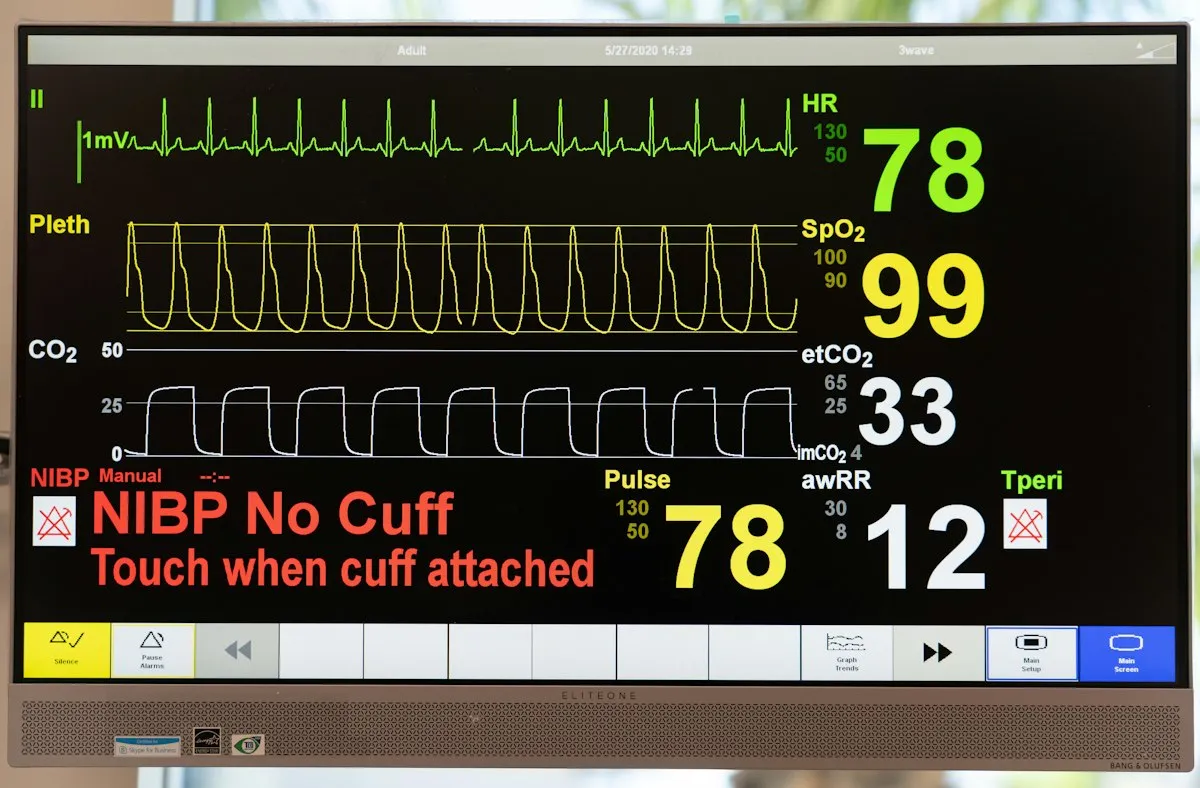
- Continuous High-Fidelity Physiological Telemetry: Real-time streaming of invasive arterial waveforms, central venous pressures, pulse oximetry, capnography (EtCO2), and mechanical ventilator parameters (PIP, PEEP, tidal volume, compliance) with latency <1.5 seconds.
- Clinical Outcome Improvements: Clinical studies in Indian hospital networks demonstrate that continuous 24/7 tele-intensivist coverage slashes ICU mortality by 15-26%, reduces central line-associated bloodstream infections (CLABSI) by 35%, and decreases mechanical ventilation duration by 1.8 days.
- High-Definition Optical Interventions: Spoke bedside ceiling-mounted PTZ cameras featuring 30x-40x optical zoom allow remote intensivists to examine pupillary light reflexes, ventilator circuit integrity, surgical wound drains, and infusion pump flow rates down to single milliliter increments.
- Closed-Loop Digital Clinical Governance: Deploying an enterprise Hospital Management Software with integrated tele-critical care modules synchronizes live vitals, flags early sepsis deterioration via automated MEWS/SOFA algorithms, and ensures airtight electronic medico-legal documentation.
1. The Critical Care Imbalance in Indian Healthcare
India possesses an estimated 100,000 to 120,000 ICU beds, yet only a fraction are supervised by certified critical care intensivists (DM / FNB / IDCCM). In tier-2 and tier-3 nursing homes and secondary hospitals, nighttime critical care is often unmonitored or managed by rotating junior resident doctors who lack advanced airway management or hemodynamic resuscitation training.
This specialist vacuum leads to high rates of avoidable mortality, excessive clinical complications (ventilator-associated pneumonia, catheter infections, accidental extubations), and unnecessary, high-risk inter-facility transfers to crowded metropolitan government or private trust hospitals. Tele-ICU levels this playing field by creating an omnipresent digital layer of senior clinical expertise over remote ICUs.
2. Tele-ICU Technical Architecture: Hardware, Bandwidth & Security
A resilient Tele-ICU ecosystem requires a seamless triad of hardware, low-latency networking, and standards-compliant medical device integration:
| System Component | Technical Specifications | Operational Function | Failure Risk / Mitigation |
|---|---|---|---|
| High-Definition Bedside PTZ Camera | 1080p / 4K sensor, 30x-40x optical zoom, 360-degree pan, two-way echo-canceling SIP audio intercom. | Visual physical examination of patient, inspection of chest expansion, pupil reaction, and IV infusion pump settings. | Camera freeze / privacy violation; physical privacy shutter and automated heartbeat keep-alive checks. |
| Medical Device Middleware (IoT) | Edge gateways capturing RS-232, RJ-45, or Bluetooth telemetry from multi-parameter monitors, ventilators, and dialysis machines. | Extracts numerical parameters and live waveforms every 1-5 seconds into HL7 FHIR observation packets. | Device protocol mismatch; universal medical device interface (MDI) middleware supporting multi-vendor drivers. |
| Dual Redundant Network Pipe | Primary optical fiber dedicated leased line (minimum 20 Mbps per 10 beds) + secondary 4G/5G SD-WAN cellular failover. | Maintains continuous video stream, audio conferences, and low-latency waveform synchronization (<1.5s latency). | Fiber cut in semi-urban areas; sub-second SD-WAN failover to cellular 5G with automatic video quality throttling. |
| Cloud Command Center Software | Multi-monitor intensivist dashboard with dynamic smart triage, early sepsis detection, and digital order entry. | Surfaces high-risk patient deterioration alerts, facilitates remote rounds, and provides instant audio push-to-talk. | Alert fatigue; smart filtering suppressing transient artifacts and prioritizing validated multivariable deteriorations. |
3. Tele-ICU Clinical Operating Models: Reactive vs Proactive
Tele-critical care operates across three primary service delivery models, each offering distinct levels of clinical governance and risk mitigation:
Comparative Tele-ICU Clinical Governance Models
- Model 1: Reactive Tele-Consultation (On-Demand): Peripheral spoke doctors request video consultations during clinical crises (e.g., failed intubation, sudden shock). While low-cost, it fails to prevent deterioration because calls occur after physiological collapse has already begun.
- Model 2: Continuous Proactive Monitoring (Best Practice): The centralized hub intensivist and critical care nursing team continuously monitor real-time vitals, ventilator waveforms, and lab results. Remote teams initiate bedside contact the moment physiological instability (trending tachycardia, rising lactate, dropping urine output) is detected.
- Model 3: Nighttime Intensivist Coverage (Co-Management): Local day intensivists manage bedside rounds during daytime hours, while the remote Tele-ICU command center assumes complete clinical guardianship between 8:00 PM and 8:00 AM, eliminating nocturnal patient mortality spikes.
4. Clinical Protocols & Evidence-Based ICU Bundles
The true power of a Tele-ICU program lies in its ability to enforce standard clinical practice bundles across distributed hospital facilities where compliance is traditionally variable:
- Ventilator-Associated Pneumonia (VAP) Bundle Enforcement: Remote teams monitor continuous compliance with head-of-bed elevation (≥30-45 degrees), daily sedation interruption ("sedation vacations"), readiness-to-wean spontaneous breathing trials, and subglottic suctioning.
- Central Line-Associated Bloodstream Infection (CLABSI) Auditing: Remote nurses inspect insertion site dressings via high-zoom cameras and prompt bedside staff to remove femoral or unneeded central lines promptly.
- Sepsis Early Intervention (Hour-1 Bundle): Real-time integration of bedside blood gas and biochemistry monitors triggers automated alarms for rising serum lactate (>2 mmol/L) and hypotension, prompting immediate administration of 30 mL/kg crystalloids and broad-spectrum antimicrobials within 60 minutes.
- Glycemic Control & Insulin Infusion Protocols: Remote specialists monitor automated capillary glucose feeds and adjust intravenous insulin titration tables, preventing severe hypoglycemia (<70 mg/dL) and hyperosmolar crises.
5. Standard Operating Roadmap: 5 Pillars of Tele-ICU Implementation
To successfully implement and scale a Tele-ICU network across Indian hospital clusters, healthcare executives and clinical directors must follow this 5-pillar operational roadmap:
- Pillar 1: Stakeholder Alignment & Bedside Collaborative Culture: Overcome physician skepticism by framing the Tele-ICU hub as a supportive clinical partner rather than an intrusive overseer. Clearly delineate clinical authority matrices (e.g., remote intensivists co-sign orders or operate under standardized emergency intervention standing orders).
- Pillar 2: Infrastructure Hardening & Redundancy Testing: Deploy dedicated medical-grade ceiling cameras with physical power backups (online UPS) and dual-ISP SD-WAN networking. Conduct monthly disaster simulation drills to test audio-visual clarity and uninterrupted telemetry during power cuts.
- Pillar 3: Standardized Remote Rounding Schedules: Structure formal morning and evening multidisciplinary video rounds. The remote intensivist, bedside junior doctor, primary bedside nurse, and clinical pharmacist review each patient's 24-hour fluid balance, microbiological cultures, organ failure scores, and weaning plans.
- Pillar 4: Medico-Legal & NMC Telemedicine Compliance: Ensure full compliance with the National Medical Commission (NMC) Telemedicine Practice Guidelines and NABH digital hospital standards. Maintain encrypted audit logs of all remote audio consultations, video interactions, and digital prescription sign-offs.
- Pillar 5: Comprehensive EHR Integration via Enterprise HMS: Utilizing an advanced Hospital Management Software with tele-critical care capabilities links peripheral spoke bed censuses, pharmacy inventories, and laboratory LIS directly into the central command center. Intensivists can review digital radiology PACS scans, sign electronic clinical orders, and verify drug dispensing in real time without operational delays.
Frequently Asked Questions (FAQs)
1. How does a Tele-ICU command center differ from basic telemedicine video calls?
Unlike standard telemedicine, which consists of periodic, episodic video consultations, a Tele-ICU is an enterprise-grade critical care ecosystem. It features continuous, real-time medical device streaming (mechanical ventilators, arterial pressure transducers, multi-parameter monitors), high-definition PTZ optical cameras with sub-millimeter zoom capabilities, automated clinical decision algorithms, and 24/7 dedicated intensivist staffing.
2. Can remote intensivists in a Tele-ICU legally prescribe medications in India?
Yes. Under the National Medical Commission (NMC) Telemedicine Practice Guidelines and the Information Technology Act 2000, registered medical practitioners (RMPs) practicing in Tele-ICUs are authorized to assess patients, provide emergency critical care guidance, and issue electronic prescriptions using secure digital signatures, provided proper medical records and consent documentation are maintained.
3. What bandwidth and internet infrastructure is required to operate a Tele-ICU spoke bed?
A reliable Tele-ICU connection requires a dedicated symmetrical bandwidth of approximately 1.5 to 2.0 Mbps per active ICU bed for continuous high-definition video, audio, and device telemetry. For a 10-bed spoke ICU, a 20 Mbps dedicated leased line backed by a secondary 4G/5G cellular failover connection ensures uninterrupted uptime (≥99.9%).
4. Does implementing a Tele-ICU reduce hospital operational costs?
Yes. By preventing clinical complications, shortening ICU lengths of stay, decreasing ventilator days, and drastically reducing unneeded patient transfers to metropolitan centers, regional hospitals retain tertiary inpatient revenue. Furthermore, centralized intensivist coverage allows a single team of critical care experts to oversee up to 100-200 beds simultaneously, drastically optimizing clinical staffing expenses.
5. How does specialized Hospital Management Software support Tele-ICU operations?
An enterprise Hospital Management Software unifies data across disparate spoke facilities into a single pane of glass. It aggregates diagnostic lab results, radiographic images (DICOM/PACS), nursing flowsheets, and medication administration records (MAR), allowing remote intensivists to make rapid, fully informed clinical decisions while maintaining accurate digital audit trails.
Founder, OmniWorks
Last updated: