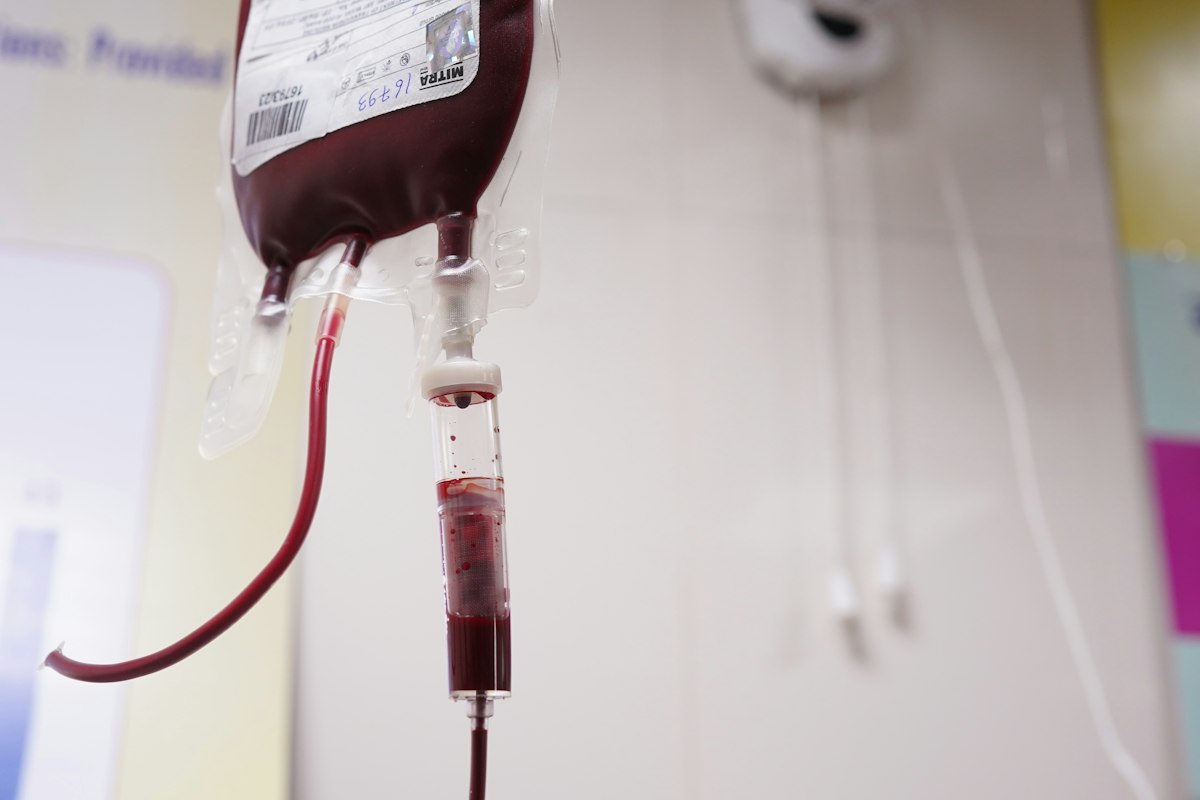
Blood transfusion is one of the most critical and high-risk clinical interventions administered in secondary and tertiary care hospitals. While lifesaving in trauma, major surgeries, oncology, and severe anemia, an incompatible or mishandled blood component transfusion can trigger fatal acute hemolytic reactions, severe sepsis, or acute lung injury. Under NABH 5th & 6th Edition Care of Patients (COP) and Facility Management & Safety (FMS) standards, Indian healthcare establishments must enforce strict end-to-end transfusion governance—from requisition and compatibility testing to active cold-chain logging, bedside dual-nurse verification, and mandatory Hemovigilance reporting.
Executive Summary: Hospital Blood Transfusion Safety & NABH Standards
- Dual-Nurse Bedside Verification: Mandatory two-person independent bedside verification of patient identity, blood unit number, blood group (ABO/RhD), compatibility certificate, and physical seal before initiating transfusion.
- The 30-Minute & 4-Hour Rule: Packed Red Blood Cells (PRBC) must be initiated within 30 minutes of release from the blood bank cold storage and completed strictly within 4 hours to prevent bacterial proliferation.
- End-to-End Cold Chain Telemetry: Unbroken 2°C to 6°C storage for PRBC/Whole Blood, −30°C to −40°C for Fresh Frozen Plasma (FFP), and 20°C to 24°C continuous agitation for Platelet Concentrates with digital temperature data loggers.
- Digital Requisition & Crossmatch Tracking: Automated electronic crossmatch requests, sample barcode labeling at bedside, and real-time inventory synchronization through integrated Hospital Management Software.
- National Hemovigilance Program of India (HvPI): Standardized protocol for immediate cessation of transfusion, clinical stabilization, sample returns, root-cause investigation, and adverse transfusion reaction (ATR) reporting.
1. Blood Component Storage, Shelf-Life & Cold-Chain Specifications
Modern transfusion medicine relies almost exclusively on component therapy rather than whole blood. Different components possess fundamentally distinct preservation requirements, physiological stabilities, and shelf-lives. Maintaining an unbroken temperature-controlled cold chain from collection to patient administration is a statutory mandate under the Drugs and Cosmetics Act (Schedule F, Part XII-B) and NABH standards.
| Blood Component | Storage Temperature | Standard Shelf-Life | Clinical Indications | Max Transfusion Duration |
|---|---|---|---|---|
| Packed Red Blood Cells (PRBC) | 2°C to 6°C | 35 days (CPDA-1) / 42 days (SAGM additive) | Symptomatic anemia, acute hemorrhage, perioperative blood loss (Hb <7-8 g/dL) | Within 4 hours of leaving blood refrigerator |
| Fresh Frozen Plasma (FFP) | −30°C to −40°C (thawed at 37°C) | 1 year frozen; strictly 24 hours at 2–6°C once thawed | Coagulopathy, severe hepatic disease, massive transfusion protocols (MTP), DIC | Within 20–30 minutes per unit post-thawing |
| Platelet Concentrates (RDP / SDP) | 20°C to 24°C with continuous horizontal flatbed agitation | 5 days from collection | Thrombocytopenia (<10,000/µL prophylactic; <50,000/µL pre-op; <100,000/µL neurosurgery) | Within 30 minutes per pool or SDP unit |
| Cryoprecipitate | −30°C (thawed at 37°C) | 1 year frozen; use within 6 hours of thawing (do not refreeze) | Hypofibrinogenemia (<100–150 mg/dL), Factor XIII deficiency, massive hemorrhage | Within 15–20 minutes per pool |
To avoid cold-chain excursions, hospital blood banks and ward satellite refrigerators must be equipped with continuous digital temperature loggers, audible audio-visual high/low alarms, and automatic SMS or automated alerts in modern Hospital Management Software. In the event of a power outage or compressor failure, backup generator synchronization and cold-box transfer protocols must deploy within 15 minutes.
2. Pre-Transfusion Workflow: Bedside Sampling, Crossmatching & Verification
Over 70% of fatal ABO-incompatible hemolytic transfusion incidents worldwide originate from human identification errors at the time of pre-transfusion sample collection or bedside administration, rather than laboratory testing anomalies. NABH standards require strict adherence to standard operating procedures at each sequential phase:
Phase 1: Requisition & Bedside Sampling
Eliminating mislabeled tubes and wrong-blood-in-tube (WBIT) errors:
- • Informed Written Consent: Patient or legal surrogate must sign bilingual transfusion consent detailing risks, benefits, and alternatives (autologous/cell saver).
- • Positive Patient Identification: Phlebotomist or nurse must check patient wristband (UHID, Full Name, Age/Gender, Ward/Bed number).
- • Label at Bedside Only: Requisition tube (EDTA for crossmatch) must be labeled immediately at the bedside in the presence of the patient, never pre-labeled at the nursing station.
- • Valid Crossmatch Sample Window: Blood samples are valid for compatibility testing for a maximum of 72 hours to detect newly formed irregular antibodies.
Phase 2: Laboratory Testing & Compatibility
Gel card technology and standardized crossmatch protocols:
- • Forward & Reverse Blood Grouping: Dual verification of patient RBC antigens (Anti-A, Anti-B, Anti-D) and serum isohemagglutinins (A-cells, B-cells, O-cells).
- • Irregular Antibody Screening: 3-cell panel screen for clinically significant atypical red cell alloantibodies (Kell, Duffy, Kidd, MNS).
- • Major Crossmatch: Patient serum tested against donor red blood cells using column agglutination (gel card) technology at 37°C with Antihuman Globulin (AHG).
- • Infectious Disease Screening: Mandatory ELISA / Chemiluminescence / NAT screening for HIV-1/2, HBV, HCV, Syphilis, and Malaria.
3. The Golden 15 Minutes & The Two-Nurse Bedside Check Protocol
The bedside administration phase represents the final checkpoint to avert a catastrophic ABO incompatibility error. NABH Care of Patients (COP) guidelines mandate that two qualified nurses (or one doctor and one nurse) perform an independent dual-check verification immediately prior to spiking the blood bag.
- Patient Identity Match: Verbally confirm patient full name and date of birth (when conscious), and match against the hospital identification wristband, electronic medical record, and blood requisition slip.
- Component & Unit Number Audit: Verify that the unique unit number printed on the blood bag matches the compatibility certificate and release voucher character-for-character.
- ABO/Rh Compatibility Confirmation: Confirm ABO and RhD compatibility between donor and recipient. While identical grouping is preferred, compatible alternatives (such as O-negative PRBC or AB plasma) must follow clear clinical transfusion policies.
- Physical Inspection of the Blood Bag: Inspect for signs of hemolysis (purple/black tint), bacterial contamination (gas bubbles, turbidity), large clots, port leakage, or bag compromise. Return any defective unit immediately.
- Baseline Vitals Recording: Document baseline heart rate, blood pressure, respiratory rate, temperature, and SpO2 in the nurse MAR within 15 minutes before initiating transfusion.
- Slow Initial Infusion & Observation: Infuse at 1–2 mL/minute (approx. 10–20 drops/min) during the first 15 minutes. The bedside nurse must remain with the patient throughout this period, as severe acute hemolytic or anaphylactic reactions manifest within the first 30–50 mL of infused blood.
Critical Rule: IV Lines & Co-Infusion Prohibitions
Never co-infuse medications, total parenteral nutrition (TPN), or electrolyte solutions through the blood transfusion line. Only 0.9% Normal Saline is compatible. Dextrose solutions cause red cell hemolysis, while Ringer's Lactate contains ionized calcium that reverses anticoagulant effects and induces micro-clots inside the infusion tubing.
4. Managing Adverse Transfusion Reactions (ATR) & The Hemovigilance Protocol
An Adverse Transfusion Reaction (ATR) is any unexpected or undesirable event occurring in a patient during or following transfusion. In India, the National Institute of Biologicals (NIB) coordinates the Hemovigilance Programme of India (HvPI) under the Pharmacovigilance Programme of India (PvPI). NABH-accredited facilities must maintain a defined ATR rapid response protocol:
| Reaction Type | Pathophysiology & Triggers | Clinical Signs & Symptoms | Immediate Emergency Action |
|---|---|---|---|
| Acute Hemolytic (AHTR) | ABO incompatibility leading to intravascular complement-mediated lysis | Chills, fever, lumbar pain, chest constriction, hypotension, hemoglobinuria (port-wine urine), DIC | Stop transfusion immediately; preserve IV line with normal saline; aggressive hydration, maintain urine output >100 mL/hr, alert blood bank & ICU |
| Febrile Non-Hemolytic (FNHTR) | Cytokines released by donor leukocytes during storage or recipient anti-HLA antibodies | Fever rise ≥1°C or ≥38°C, rigors, headache, absence of hemolysis or hypotension | Stop transfusion; administer antipyretic (paracetamol); rule out hemolysis/bacterial contamination; consider leukoreduced components for future units |
| Allergic / Anaphylactic | Hypersensitivity to donor plasma proteins; anti-IgA antibodies in IgA-deficient recipients | Mild: Urticaria, pruritus, erythema. Severe: Stridor, bronchospasm, angioedema, circulatory collapse | Mild: Pause transfusion, give antihistamines. Anaphylaxis: Stop immediately, IM epinephrine (1:1000), oxygen, hydrocortisone, airway management |
| Transfusion-Related Acute Lung Injury (TRALI) | Donor anti-HLA or anti-HNA antibodies activating recipient pulmonary capillary neutrophils | Acute dyspnea, severe hypoxemia (SpO2 <90%), bilateral pulmonary infiltrates on chest X-ray within 6 hours, normal CVP/PCWP | Stop transfusion; high-flow oxygen, mechanical ventilation with lung-protective strategy; notify blood bank to quarantine donor's components |
| Transfusion-Associated Circulatory Overload (TACO) | Volume overload in elderly, cardiac, or renal failure patients receiving rapid infusions | Dyspnea, orthopnea, hypertension, elevated JVP, bilateral basilar crackles, pulmonary edema, raised BNP | Stop transfusion; sit patient upright, administer IV loop diuretics (furosemide), oxygen; restrict infusion rates (<1 mL/kg/hr) in future |
Standard Operating Procedure Following an Adverse Transfusion Event
When an adverse reaction is suspected, the bedside team and hospital blood bank must execute the following five-step protocol immediately:
- 1. Halt Transfusion Instantly: Disconnect the blood administration set from the cannula hub. Do not flush the tubing. Keep the venous access open with a fresh IV line of 0.9% Normal Saline.
- 2. Clinical Stabilization: Call the primary consultant and emergency response team. Administer oxygen, vasopressors, antihistamines, or antipyretics based on presenting symptomatology.
- 3. Return Blood Bag & Tubing: Seal and send the implicated blood bag, attached infusion set, and intravenous solutions to the blood bank with a completed Adverse Transfusion Reaction Form.
- 4. Send Fresh Patient Investigation Samples: Collect a fresh post-transfusion EDTA blood sample for repeat grouping, direct antiglobulin test (DAT / Coombs), and repeat crossmatch; a plain serum sample for free hemoglobin and bilirubin; and the first post-reaction voided urine sample for free hemoglobinuria analysis.
- 5. HvPI & Hospital Transfusion Committee (HTC) Audit: Document the clinical timeline in Hospital Management Software, file the national Hemovigilance reaction log on the NIB portal, and present the case at the monthly Hospital Transfusion Committee review.
5. Hospital Transfusion Committee (HTC) Governance & Quality Indicators
NABH accreditation mandates the functioning of an active, multi-disciplinary Hospital Transfusion Committee (HTC) comprising the blood bank officer, clinical hematologist, chief of surgery, head of anesthesiology, intensive care specialist, nursing superintendent, and hospital administrator. The committee meets quarterly to audit transfusion practices and review key performance metrics:
Crossmatch-to-Transfusion (C:T) Ratio
Evaluates surgical blood ordering efficiency and prevents excessive unnecessary crossmatching.
A C:T ratio >2.5 indicates over-ordering, leading to tied-up blood inventories and increased wastage.
Transfusion Wastage Rate
Measures expired units, units returned after 30 minutes, or damaged blood components.
Enforced through Maximum Surgical Blood Ordering Schedules (MSBOS) and strict 30-minute recall rules.
Adverse Reaction Reporting Rate
Monitors active vigilance and open reporting culture across all clinical departments.
All suspected transfusion reactions investigated, DAT checked, and submitted to HvPI within 24 hours.
Frequently Asked Questions (FAQs)
1. What is the Maximum Surgical Blood Ordering Schedule (MSBOS) in hospital operations?
MSBOS is an evidence-based guideline established by the Hospital Transfusion Committee detailing the expected number of blood units routinely crossmatched for specific elective surgical procedures (e.g., Total Knee Replacement: 1 unit PRBC; Laparoscopic Cholecystectomy: Type & Screen only). Enforcing MSBOS prevents excessive reservation of blood bags and significantly reduces crossmatch-to-transfusion (C:T) ratios.
2. Can blood units released to the OT or ward be returned to the blood bank refrigerator?
Blood units can only be returned and re-issued if they are returned to the blood bank within strictly 30 minutes of release, provided the port seals are completely intact and the temperature of the unit has not exceeded 10°C. Any unit un-transfused and kept at room temperature exceeding 30 minutes must be condemned and safely discarded as biomedical waste.
3. Why is 0.9% Normal Saline the only approved solution for flushing transfusion sets?
Normal Saline (0.9% NaCl) is isotonic with human blood. Solutions containing dextrose (D5W) cause osmotic red blood cell crenation and intra-tubing hemolysis. Ringer's Lactate and calcium-containing solutions bind with citrate preservatives in the blood unit, neutralizing the anticoagulant and precipitating lethal micro-emboli in the recipient's bloodstream.
4. What is the difference between TRALI and TACO?
Transfusion-Related Acute Lung Injury (TRALI) is an immune-mediated acute lung injury characterized by non-cardiogenic pulmonary edema, normal pulmonary capillary wedge pressure, and fever/hypotension. Transfusion-Associated Circulatory Overload (TACO) is hydrostatic pulmonary edema caused by volume overload, presenting with hypertension, jugular venous distension, elevated central venous pressure, and raised BNP levels. TACO responds dramatically to IV diuretics, whereas TRALI requires mechanical ventilatory support.
5. How does modern Hospital Management Software prevent blood transfusion errors?
Comprehensive Hospital Management Software digitizes the entire blood transfusion loop: barcode verification at the patient's bedside matches wristbands directly to blood bag numbers, prevents cross-matching for expired orders, triggers automatic alerts for irregular antibodies, and logs temperature sensor records directly into clinical EMRs for seamless NABH accreditation compliance.
Vamshi Rajarikam
OmniWorks India Team
Last updated: