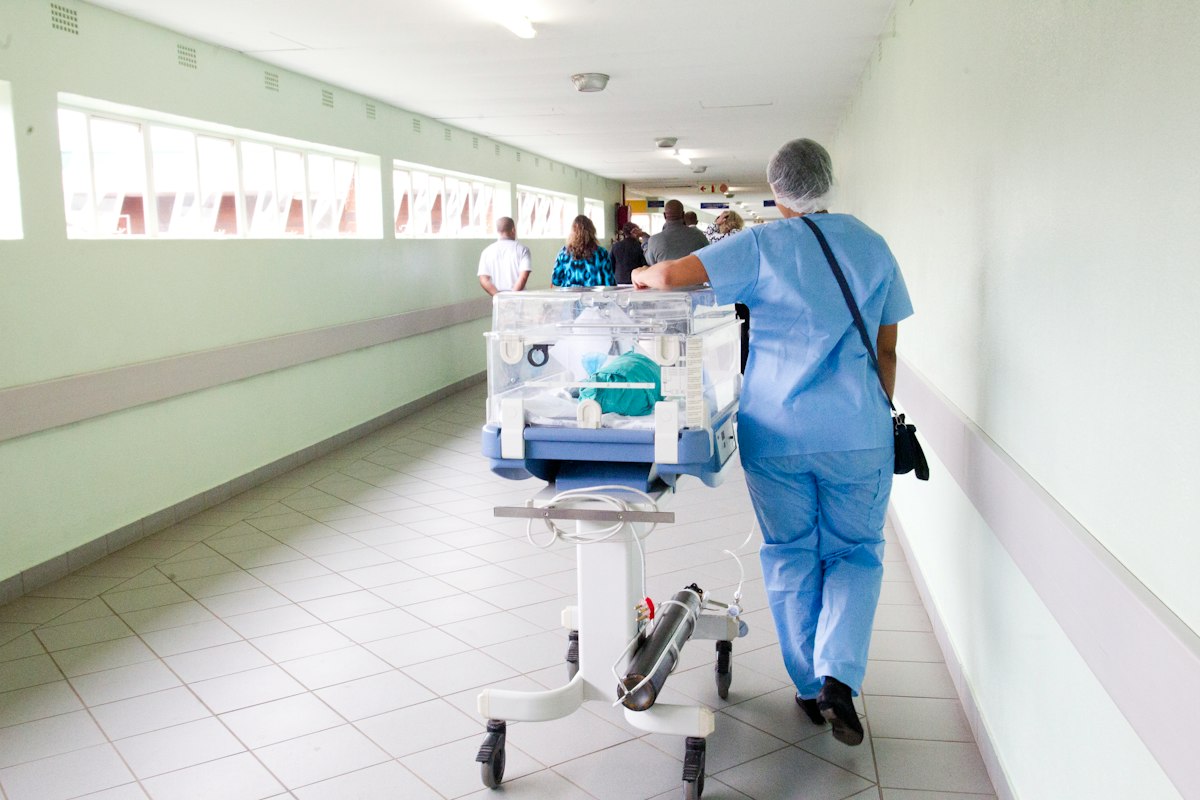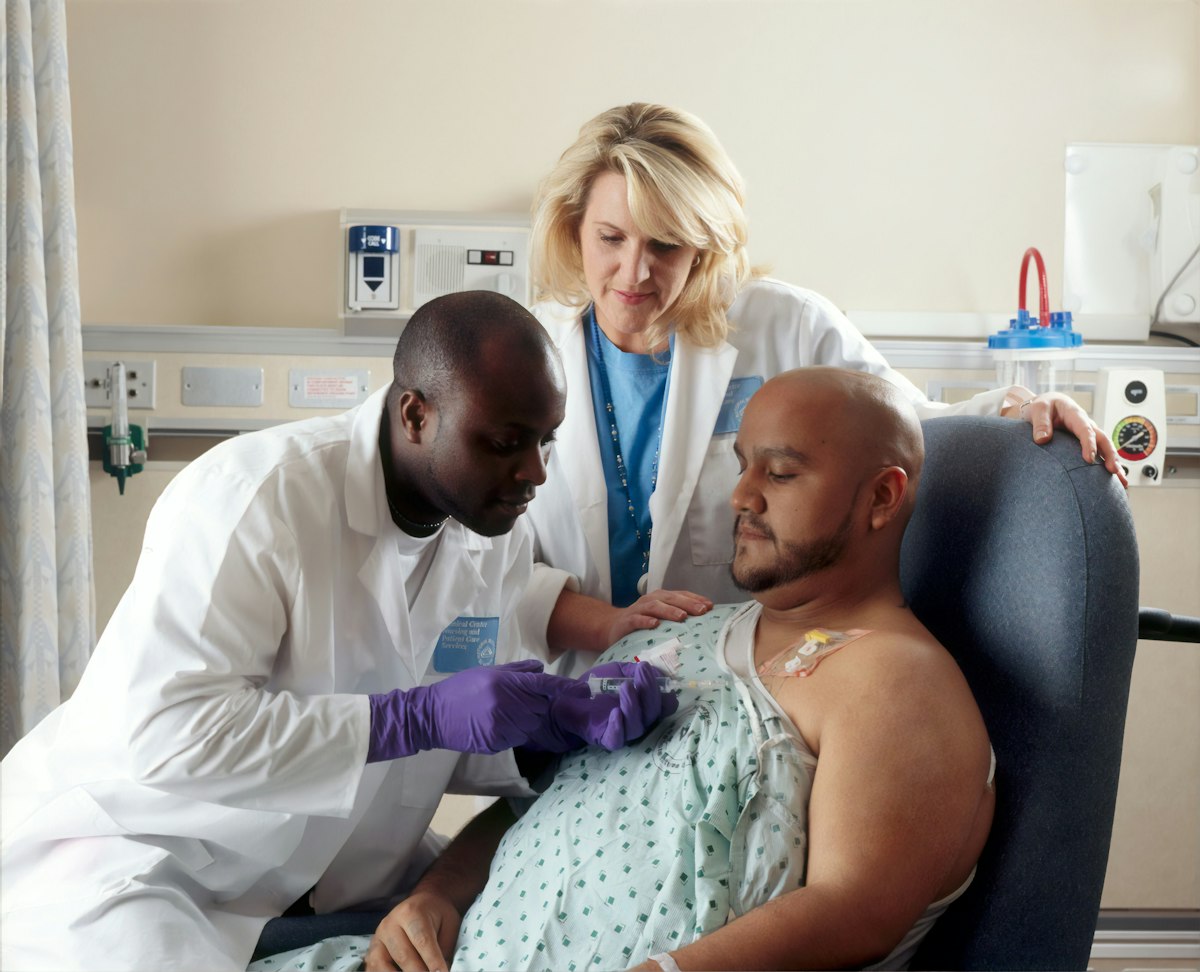
Across Indian private healthcare, nursing turnover has reached crisis levels. With annual nurse attrition rates hovering between 35% and 55% in tier-1 and tier-2 hospitals, nursing superintendents and hospital administrators spend an exhausting amount of time recruiting, training, and replacing staff. While international migration and compensation disparity play significant roles, clinical exit interviews consistently reveal a deeper, fixable operational culprit: administrative burnout, chaotic shift rostering, and hours of repetitive manual paperwork.
The Nursing Crisis in Numbers (Indian Private Hospitals):
- The Paperwork Drain: A bedside staff nurse spends an average of 2.5 to 3 hours per 8-hour shift manually filling paper registers (vitals charts, intake-output sheets, medication Kardex, consumable requisition slips, and shift handover diaries).
- Replacement Cost: Onboarding and training a single replacement staff nurse costs an Indian hospital between ₹35,000 and ₹60,000 in lost bed productivity, agency commissions, and trainer hours.
- Clinical Impact: Every additional patient added to a nurse's workload beyond safe NABH ratios (1:4 general ward, 1:1 ICU) increases 30-day inpatient mortality by 7% and nurse burnout by 23%.
- The Solution: Modernizing ward operations with automated Hospital Management Software eliminates manual clerical burden, improves job satisfaction, and slashes nursing attrition by up to 40%.
1. The Root Causes of Nursing Attrition in Indian Hospitals
To curb nursing flight, hospital leadership must look past simplistic "compensation-only" assumptions and address the systemic operational friction points driving staff exhaustion:
| Operational Friction Point | Traditional Manual Practice | Psychological & Operational Consequence |
|---|---|---|
| 1. Redundant Multi-Register Charting | Writing vitals on bedside chart, transcribing to doctor case sheet, and re-entering into nursing handover diary | Severe mental fatigue, 2.5h lost per shift, increased transcription errors |
| 2. Pharmacy & Consumable Indenting | Handwriting carbon-copy indent slips and sending ward boys running between floors | Delayed patient drug delivery, missed doses, inter-departmental conflicts |
| 3. Prolonged Shift Handovers | Oral bedside briefing with handwritten diary cross-checking taking 45-60 mins | Uncompensated overtime, shift fatigue, missed clinical deterioration cues |
| 4. Arbitrary & Unfair Shift Rostering | Manual Excel/paper rosters prone to favoritism, back-to-back night shifts, and erratic leaves | Chronic sleep deprivation, high absenteeism, abrupt resignations |
| 5. Billing Query Blame Game | Billing desk interrogating nurses over unbilled syringes, cannulas, and dressing packs at discharge | Demoralization, hostile work environment, delayed patient discharge |
2. The 5 Digital Workflows That Eliminate Nurse Burnout
Forward-thinking Indian hospitals are deploying structured digital workflows that return nurses to their primary calling: direct, compassionate patient care.
1 Bedside Mobile/Tablet Vitals & Fluid Balance Charting
Replace clipboards with lightweight hospital tablets. When a nurse records Blood Pressure, Pulse, SpO2, Temperature, and Blood Glucose at the patient bedside, the data instantly updates the electronic medical record (EMR). The system automatically computes early warning scores (NEWS2) and alerts the duty doctor if a patient shows signs of sepsis or clinical decline, saving 45 minutes of charting per shift.
2 Closed-Loop e-MAR & 1-Tap Pharmacy Indenting
When the consultant prescribes a medication in the EMR, it immediately appears on the ward nurse's electronic Medication Administration Record (e-MAR) and simultaneously sends a digital dispensing indent to the central pharmacy. When the drug arrives, the nurse taps "Administered" with a single touch, automatically timestamping the administration and updating the patient's billing ledger simultaneously.
3 Automated ISBAR Shift Handover Summary Generation
Instead of spending an hour handwriting handover diaries at 7:00 AM and 7:00 PM, the software auto-compiles an ISBAR (Identification, Situation, Background, Assessment, Recommendation) briefing sheet for every occupied bed: active IV lines, pending lab investigations, post-op drainage volumes, high-alert drug timings, and doctor notes. Handover duration drops from 50 minutes to under 15 minutes with zero lost clinical context.
4 Transparent AI-Assisted Shift Rostering & Shift Swapping
Manual shift allocation is one of the top drivers of nursing grievances. Digital workforce systems balance nurse-to-patient acuity ratios, ensure fair distribution of weekend and night duties, enforce mandatory 12-hour rest periods between shifts, and allow staff to request peer shift swaps directly on their mobile phones with 1-click supervisor approval.
5 Automated Ward Consumable Auto-Deduction
When a nurse administers an IV infusion or performs a surgical dressing, selecting the pre-configured clinical care kit in the HMS automatically decrements ward inventory and posts the charges to the patient's billing file. This eliminates end-of-shift physical counting and ends disputes with the billing department.
3. The Financial Return on Nurse Retention
Investing in digital ward workflows is not merely an HR wellness initiative—it delivers direct, measurable profitability for private healthcare institutions:
ROI Calculation for a 100-Bed Indian Hospital (50 Staff Nurses):
4. How Omniworks HMS Empowers Nursing Teams
Designed in close collaboration with Indian nursing superintendents, OmniWorks Hospital Management Software streamlines every touchpoint of ward administration:
- Tablet-Optimized Bedside UI: Clean, high-contrast, intuitive interfaces designed for lightning-fast touch inputs by nurses during busy ward rounds.
- Smart e-MAR & High-Alert Warnings: Built-in medication schedule alerts prevent missed doses, wrong concentrations, and drug-drug interactions.
- Real-Time Ward Occupancy & Acuity Dashboard: Instantly visualize patient status, pending doctor orders, isolation precautions, and vital stability across all beds.
- Automated Shift Handover Reports: 1-click standardized ISBAR handover generation ensuring flawless continuity of care across all 3 shifts.
- Integrated Staff Attendance & Rostering: Seamless integration with facial recognition attendance to guarantee fair shift scheduling and transparent leave management.
Empower Your Nursing Staff & Eliminate Clinical Burnout
Discover how Indian hospitals cut nursing paperwork by 70% and improve clinical care quality with OmniWorks HMS.
Frequently Asked Questions (FAQs)
1. How difficult is it for staff nurses to transition from paper to a digital HMS?
With an intuitive, touchscreen-optimized interface, staff nurses achieve complete charting fluency within 2 to 3 days of hands-on training. Standardized tap-to-select options for vitals, symptoms, and care tasks make digital charting substantially faster than physical handwriting.
2. How does digital e-MAR prevent medication administration errors?
Digital e-MAR displays prescribed medications in order of due time, highlights high-alert medications (such as Potassium Chloride or Insulin) in red, requires dual-nurse confirmation for critical infusions, and prevents nurses from signing off on administrations without logging the exact timestamp.
3. Does a digital nursing workflow satisfy NABH 5th and 6th Edition requirements?
Yes. Digital nursing documentation satisfies NABH chapters AAC (Initial Assessment), COP (Care of Patients), and MOM (Management of Medication) by providing immutable timestamps, verified nurse user credentials, and complete clinical audit trails.
Vamshi Rajarikam
OmniWorks India Team
Last updated: